
Belgian Beauty Clinic · Your own fat
Fat transferSubtle volume using
fat from your own body.
Fat transfer, or lipofilling, moves fat from one area of the body to another. It can restore volume or refine contours without an implant or synthetic filler.
Two areas, one treatment plan
What is
fat transfer?
Fat transfer, also called lipofilling or fat grafting, combines limited liposuction with the reinjection of purified fat from your own body. The surgeon harvests fat from areas such as the abdomen, flanks or thighs, carefully prepares it and places small amounts where additional volume is wanted.
Because your own tissue is used, the result usually feels natural. It remains a surgical procedure: not all transferred fat cells survive and the final volume is less precisely predictable than with an implant.
Breasts
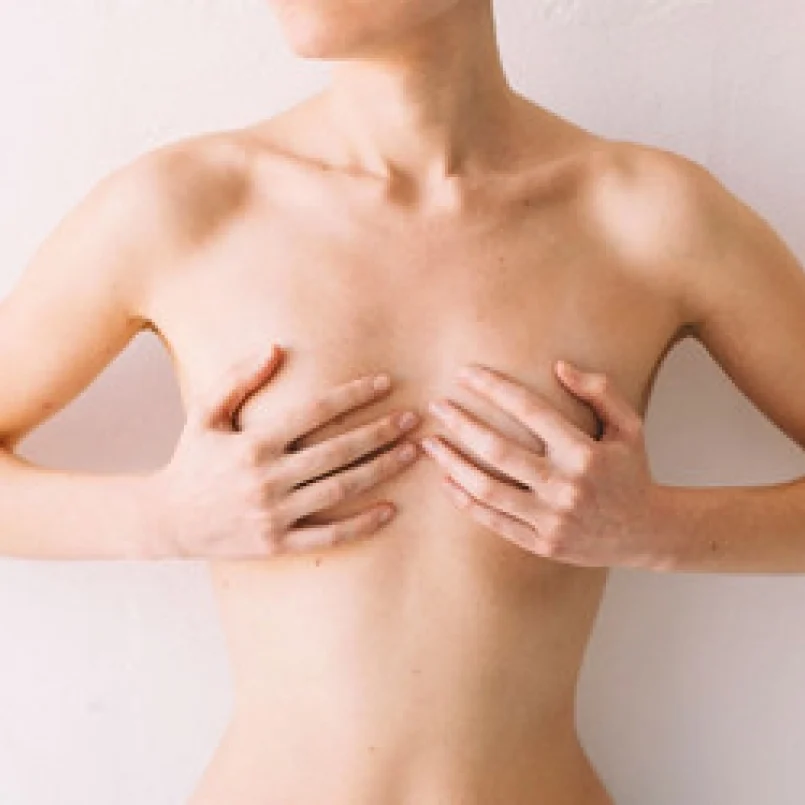
For a modest increase in volume, refinement of the breast shape or correction of limited asymmetry. If you want a more substantial increase, an implant or another approach may be more suitable.
Face
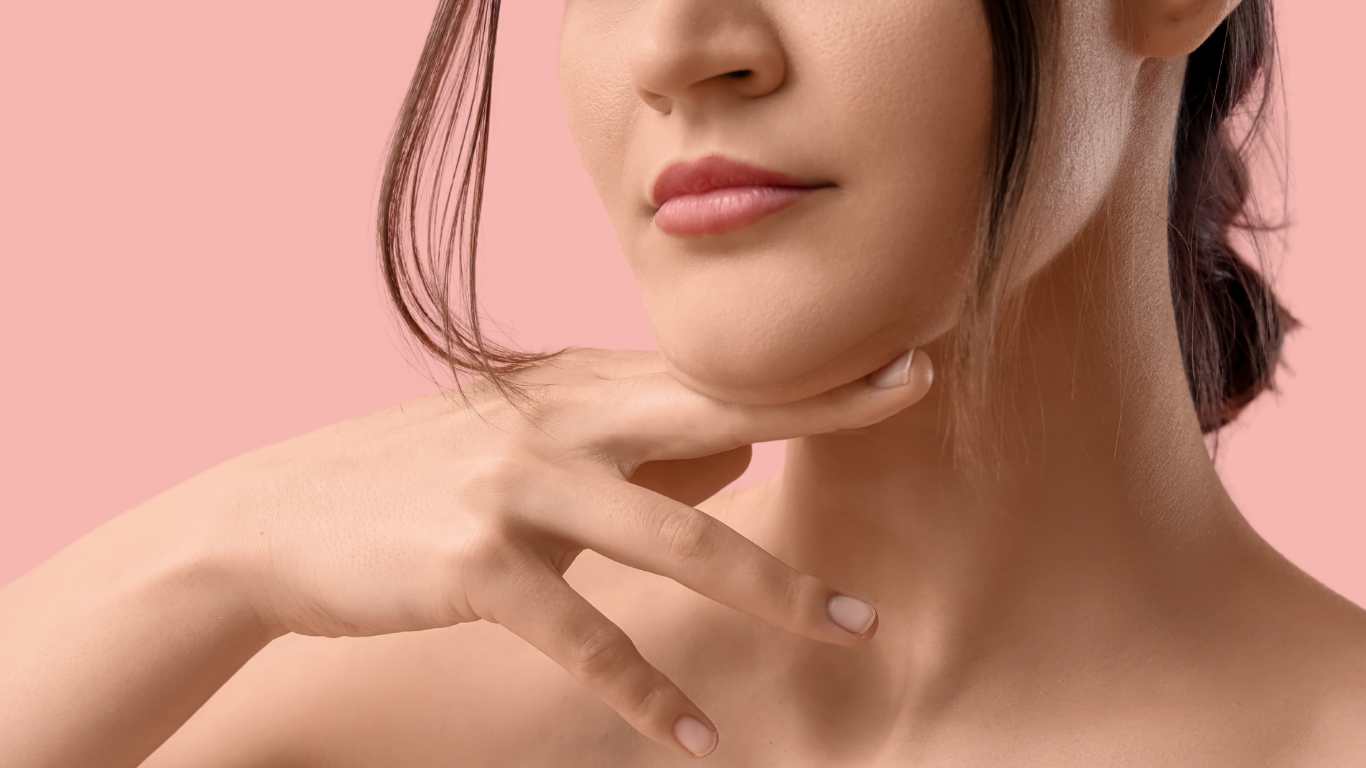
To restore lost volume in selected areas such as the temples, cheeks or folds. The aim is a soft, balanced correction that continues to suit your face.
Contours & corrections
To soften small indentations or contour irregularities, sometimes after previous surgery or injury. Buttock augmentation has specific indications and safety requirements; read more on the buttock augmentation page.
A realistic match
Who may be suitable
for fat transfer?
The technique may suit you if you want a natural, modest volume correction and have enough donor fat. A stable weight, good general health and realistic expectations support a predictable recovery.
From harvesting to placement
The procedure in three steps.
Harvest the fat
After marking and anaesthesia, fat is gently removed from the agreed donor area through small incisions. The aim is to collect enough usable fat while treating the donor contour evenly.
Prepare the fat
The harvested tissue is processed to separate blood, fluid and damaged cells from the fat suitable for grafting.
Place it layer by layer
The surgeon places small amounts through fine cannulas at different tissue levels. This careful distribution supports blood supply and helps create an even contour.
Some volume is reabsorbed
When will you see
the final result?
Immediately after surgery, the area looks fuller because of both the transferred fat and swelling. The body absorbs some fat cells during the first few months. Fat that develops a good blood supply may remain long term.
- Planned overcorrectionThe surgeon allows for expected resorption, but cannot predict exactly how much fat will remain.
- Patience is neededA reliable result becomes visible only after swelling and early resorption have subsided.
- Sometimes a second sessionAn additional treatment can later be discussed for more volume, symmetry or refinement.
- Your weight still mattersSurviving fat cells can grow or shrink with weight gain or weight loss.
Recovery in two areas
What can you expect after fat transfer?
Your body recovers in both the donor and recipient areas. The exact guidance depends on the extent and location of your procedure.
Swelling, bruising, soreness and temporary changes in sensation are common. Arrange transport and help at home after anaesthesia.
You will often wear compression clothing over the donor area. Pressure may need to be avoided over the filled area. Always follow your personal instructions.
Returning to work depends on your job and the areas treated. Resume exercise and heavy activity only as advised by your doctor.
Swelling decreases and the volume gradually settles. Maintaining a stable weight supports the result.
Making an informed choice
Frequently asked
questions.
Fat transfer offers valuable options, but the result and recovery time vary from person to person. During your consultation we also discuss its limitations and your personal risks.
Is fat transfer permanent?
Fat that establishes a blood supply may remain long term. Its volume will still change with weight fluctuations, pregnancy and ageing. An exact volume or perfect symmetry cannot be guaranteed.
How much larger can my breasts become?
Fat transfer is mainly suitable for subtle volume enhancement and shape correction. The amount that can be placed safely depends on your donor fat, breast tissue and skin. For a larger increase, an implant or combined approach may be more suitable.
Does breast fat transfer affect breast imaging?
Oil cysts, fat necrosis or calcifications may be visible on imaging after fat transfer. Always mention previous fat transfer when having a mammogram, ultrasound or other breast examination. Your doctor will discuss whether imaging is indicated beforehand.
What are the possible risks?
Possible complications include infection, bleeding, fluid collection, delayed healing, changes in sensation, asymmetry, contour irregularities, oil cysts and fat necrosis. Some fat may be reabsorbed and correction may be needed.
Rare serious risks include thrombosis, pulmonary embolism, fat embolism, injury to surrounding tissue and anaesthetic complications. Risks vary by treatment area and are discussed individually.
Will there be scars?
Small scars remain where the cannulas are inserted, both in the donor and recipient areas. They usually fade but do not become invisible in everyone.
Can fat transfer be combined with another procedure?
In selected cases it can be combined with a breast lift, tummy tuck or another contouring procedure. Whether a combination is appropriate and safe depends on the length and extent of surgery and your personal health.
Personal advice
Is fat transfer right for you?
We assess your goals, donor area and tissue quality and explain honestly what result may be achievable. You then decide at your own pace.
Our locations
Consultations at three locations. Procedures take place at our clinic in Diest.


Not every treatment is available at every location. View available appointments.