
The best version of yourself is our concern.
Go for a customized treatment

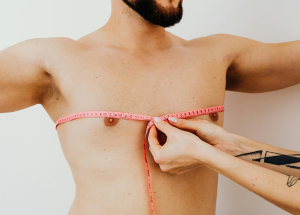
Gynecomastia
An enlarged male chest may consist of glandular tissue, fatty tissue, excess skin or a combination of these. With a tailored treatment, we create a flatter, more balanced chest contour.
What is gynecomastia?
Gynecomastia is an increase in male breast gland tissue. It may affect one or both sides and can sometimes be tender. The term is also commonly used for a fuller male chest caused by fat accumulation, although this is medically known as pseudogynecomastia.
Possible causes include hormonal changes, genetic predisposition, weight fluctuations, certain medicines or substance use. Sometimes no clear cause is found. During the consultation, we assess not only the amount of volume but, more importantly, what it consists of and how elastic the skin is.
Which type do you recognise?
Not every enlarged male chest requires the same approach. During the examination, the plastic surgeon determines which components are responsible for the chest volume and shape.
Firm tissue beneath the nipple
A firm, sometimes tender disc behind the areola. This glandular tissue does not usually disappear through weight loss or exercise.
Diffuse fullness
The tissue feels softer and is spread more widely across the chest. Weight loss may help, but is not always sufficient.
Chest skin laxity
After substantial weight loss or with pronounced breast enlargement, excess skin may also be present. A skin reduction may then be necessary.
How do we treat gynecomastia?
The aim is a naturally flatter chest profile that suits your build. Techniques are often combined. The choice depends on the proportions of glandular tissue, fat and skin, the nipple position and your expectations.
The procedure is performed at our surgical centre in Diest. The exact anaesthetic, duration of surgery and any possible overnight stay will be discussed during your consultation.
Your treatment journey
Consultation
We discuss your concerns, medical history, medication and expectations, and examine the chest tissue, skin and symmetry.
Treatment plan
You receive clear information about the recommended technique, scar placement, recovery, risks and a personalised quotation.
Procedure
The plastic surgeon removes the excess tissue and shapes the chest to create as natural a contour as possible.
Aftercare
You receive clear instructions and attend follow-up appointments. Swelling gradually decreases and scars fade over time.
Recovery after surgery
Bruising, tightness and swelling are normal during the initial recovery period. You will be given a compression garment or vest to support the chest. Always follow your surgeon’s personalised instructions.
Rest, short walks and wound care as instructed. Driving and returning to work depend on your comfort and the type of work you do.
Wear the compression garment as advised. Avoid heavy lifting, strength training and intense exercise.
Work and physical activity are resumed gradually. Your surgeon will advise when it is safe to return to sport and chest training.
The contour continues to refine as residual swelling subsides. Scars continue to mature and generally fade gradually.
This is a general overview. Recovery varies by technique and individual; the instructions from your treating surgeon always take priority.
Results and scars
The change in chest volume is visible immediately, but swelling can temporarily distort the contour. The final result becomes clearer in the months after surgery. Weight fluctuations, skin quality and any pre-existing asymmetry influence the outcome.
Surgery always leaves scars. With a limited correction, these are often along the areola and/or at the small liposuction openings. More extensive scars are necessary when there is considerable excess skin. We discuss this openly and clearly beforehand.
How much does gynecomastia surgery cost?
The price depends on the technique: liposuction alone, removal of glandular tissue, a combination or an additional skin reduction. After your examination, you will receive a quotation based on your treatment plan.
- Procedure at our surgical centre in Diest
- Personalised surgical treatment plan
- Aftercare and scheduled follow-ups
*Starting price including VAT. The final price depends on the chosen technique and your individual situation. After the consultation, you will receive an accurate, no-obligation quotation.
Frequently asked questions
Can gynecomastia disappear through exercise or weight loss?
Weight loss can reduce a fatty component, but true glandular tissue does not usually disappear through diet or training. Training the chest muscles may improve shape but can sometimes make the existing chest volume more noticeable. During the consultation, we determine what the volume consists of.
Is liposuction alone sufficient?
That depends on the type of tissue. When the volume consists mainly of fat, liposuction may be sufficient. Firm glandular tissue usually needs to be removed separately. A combination often produces the best contour.
Where will the scars be?
When glandular tissue is removed, the scar is usually placed along the lower edge of the areola. Liposuction openings are small and positioned as discreetly as possible. Longer scars are needed when excess skin is removed. The surgeon marks and discusses their location beforehand.
Can gynecomastia return?
Removed tissue does not normally grow back, but major weight fluctuations, hormonal changes, certain medicines or substances can affect the chest contour again. Maintaining a stable weight and addressing any underlying cause help preserve the result.
When can I return to work and exercise?
This varies according to the procedure and your occupation. Light work can often be resumed sooner than physically demanding work. Intense exercise, chest training and heavy lifting should be avoided temporarily. Your surgeon will provide a personalised schedule.
Is the procedure reimbursed?
Cosmetic gynecomastia surgery at our private clinic is generally not reimbursed. If a medical indication or underlying condition is suspected, discuss the diagnostic process and any possible reimbursement conditions with your GP and health insurer in advance.
Would you like to know which treatment suits your chest?
During a consultation, we examine the tissue, listen to your expectations and clearly explain which approach may provide a natural result.
Our locations
Consultations at three locations. Procedures take place at our clinic in Diest.


Not every treatment is available at every location. View available appointments.